
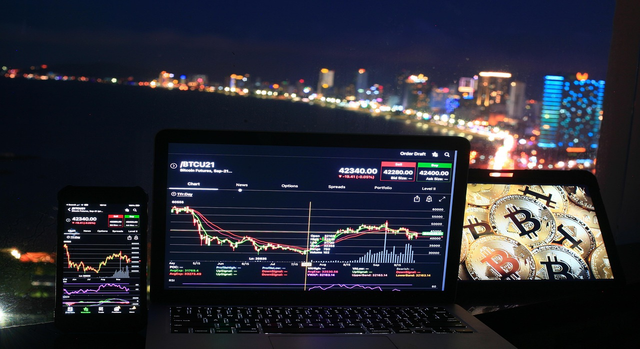
In the burgeoning world of cryptocurrency, investors are constantly seeking opportunities to maximize their returns. One such opportunity lies in liquidity pools, a fundamental aspect of decentralized finance (DeFi). However, with these potential rewards comes a unique risk known as impermanent loss. Understanding what impermanent loss is and when it actually hurts can be crucial for anyone looking to engage in DeFi activities.
Understanding Impermanent Loss
Impermanent loss occurs when you provide liquidity to a pool, and there is a divergence in the price of the tokens you deposited. This divergence can lead to a situation where the value of your withdrawn assets is lower than if you had simply held them. It's a phenomenon that's pertinent to automated market makers (AMMs) like Uniswap, Sushiswap, and Balancer.
When you provide liquidity, you're essentially supplying two distinct tokens to a pool, usually in a 50/50 ratio. The AMM uses these tokens to facilitate trades, adjusting their prices based on supply and demand. If one token's value changes relative to the other, impermanent loss occurs. This loss is termed "impermanent" because it only becomes permanent if you withdraw your funds at that point. If the tokens return to their original price ratio, the loss can disappear.
Impermanent loss can be particularly significant in volatile markets where token prices can fluctuate rapidly. The more significant the price change, the larger the impermanent loss. This concept might seem daunting, but it's important to note that it does not always result in a negative outcome. In some cases, trading fees earned from the liquidity pool can offset, or even exceed, the impermanent loss.
When Impermanent Loss Becomes a Concern
Impermanent loss does not always hurt, but it can become a concern under certain conditions. Understanding these conditions can help investors make informed decisions about their DeFi strategies. Primarily, impermanent loss becomes problematic during periods of high volatility, especially when one of the paired tokens experiences a sharp increase or decrease in value.
For instance, if you deposited ETH and a stablecoin like USDC into a liquidity pool, and the price of ETH skyrockets, the pool's algorithm will balance the values by selling ETH and buying USDC. Consequently, you'll end up with more USDC and less ETH, which might not be ideal if ETH's price continues to rise.
Factors Influencing Impermanent Loss
Several factors influence the extent of impermanent loss, and recognizing these can aid in mitigating potential risks. The first factor is the volatility of the cryptocurrencies involved. Highly volatile tokens are more likely to experience significant price swings, leading to greater impermanent losses.
Another factor is the composition of the liquidity pool. Pools with stablecoins or tokens with correlated price movements tend to experience less impermanent loss. Additionally, the size of the liquidity pool can also impact impermanent loss. Larger pools can absorb price fluctuations more effectively, reducing the potential for loss.
Finally, the duration of your investment plays a role. Short-term liquidity provision can be riskier due to sudden market changes, while long-term participation might benefit from periods of market recovery.
Mitigating Impermanent Loss
While impermanent loss is an inherent risk in DeFi, there are several strategies to mitigate its impact. The first strategy is to carefully select the liquidity pools you participate in. Opt for pools with tokens that have lower volatility or a historical correlation, such as stablecoin pairs or token pairs within the same project ecosystem.
Another effective strategy is to diversify your investments. By spreading your assets across multiple pools and platforms, you can reduce the overall risk of impermanent loss impacting your entire portfolio. It’s also beneficial to stay informed about the market and adjust your strategies accordingly.
Consider utilizing platforms that offer impermanent loss protection. Some DeFi protocols provide insurance or compensation mechanisms to safeguard against significant losses. These features can provide additional security, especially in highly volatile markets.
Common Mistakes to Avoid in DeFi
As with any investment strategy, avoiding common pitfalls can enhance your success in DeFi. One mistake is entering a liquidity pool without fully understanding the risks of impermanent loss. Always conduct thorough research and analyze the potential outcomes before committing your assets.
Another mistake is failing to monitor your investments. Regularly check the status of your liquidity pools and be prepared to adjust your positions if market conditions change. This proactive approach can help you minimize losses and capitalize on profitable opportunities.
DeFi FAQ: Navigating Impermanent Loss
Q1: Can impermanent loss be completely avoided?
A1: While it can't be entirely avoided, strategies like choosing less volatile pairs, diversifying investments, and using impermanent loss protection can mitigate its impact.
Q2: Does impermanent loss affect all liquidity pools equally?
A2: No, it varies based on the volatility of the token pair and the size of the pool. Stablecoin pairs are less prone to impermanent loss.
Q3: How do trading fees factor into impermanent loss?
A3: Trading fees can offset impermanent loss. In some cases, the fees earned can exceed the loss, resulting in a net gain.
Evaluating the Risks and Rewards
When participating in DeFi, it's essential to weigh the risks and rewards of providing liquidity. While impermanent loss is a legitimate concern, the potential rewards from trading fees and other incentives can make it worthwhile.
To effectively evaluate these risks, consider the historical performance of the tokens involved and the overall market conditions. A strong understanding of these factors can guide your decision-making process and help you optimize your DeFi strategy.
Additionally, maintaining a balanced portfolio that includes both high-risk and low-risk assets can provide stability and mitigate potential losses. By regularly assessing your investments and adjusting your approach, you can navigate the complexities of DeFi more confidently.
Checklist for Managing Impermanent Loss
- Research and select pools with low-volatility pairs.
- Diversify investments across multiple platforms.
- Stay updated on market trends and adjust strategies accordingly.
- Consider platforms offering impermanent loss protection.
- Regularly monitor and manage your liquidity positions.
Mini FAQ on Liquidity Provision
Q1: Is providing liquidity in DeFi profitable?
A1: It can be, especially if trading fees and incentives outweigh the impermanent loss experienced.
Q2: What factors should I consider before providing liquidity?
A2: Consider token volatility, pool size, and potential rewards from trading fees.
Q3: How often should I check my liquidity positions?
A3: Regularly, especially during times of market volatility, to adjust your strategy as needed.
Conclusion
Understanding what impermanent loss is and when it actually hurts is crucial for any crypto investor engaging with DeFi. While it presents a risk, it also opens the door to potentially lucrative opportunities. By employing strategic measures, such as selecting appropriate pools, diversifying investments, and staying informed, investors can effectively manage impermanent loss.
As the DeFi landscape continues to evolve, staying adaptable and informed will be key to navigating its challenges. With the right approach, investors can minimize risks and maximize their returns, turning impermanent loss into a manageable aspect of their financial strategy.