
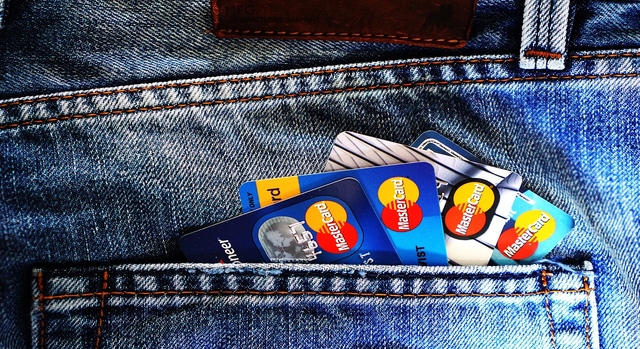
Managing your credit score is a crucial aspect of personal finance, impacting everything from loan approvals to interest rates. Understanding what lowers your credit score the most—whether it's utilization, late payments, or inquiries—can help you make informed decisions and maintain a healthy financial profile. Each of these factors plays a distinct role in determining your creditworthiness, and knowing how they affect your score is essential to financial success.
Understanding Credit Utilization
Credit utilization refers to the amount of your available credit that you are currently using. It's a significant factor in credit scoring models, often accounting for up to 30% of your score. Maintaining a low credit utilization rate is generally recommended, but many people are unaware of how quickly high utilization can impact their credit score.
Generally, a utilization rate above 30% is seen as risky by creditors. For example, if you have a credit card limit of $10,000, you should aim to keep your balance below $3,000. Exceeding this threshold can result in a noticeable dip in your credit score. Regularly monitoring your credit card balances and setting alerts can help you maintain a healthy utilization rate.
One practical tip is to pay off your credit card balance multiple times a month rather than waiting for the due date. This practice not only helps in keeping your utilization low but also prevents interest accumulation. Furthermore, if you have multiple credit cards, distributing the balance among them can help keep individual utilization rates low.
The Impact of Late Payments
Late payments are another critical factor that can severely affect your credit score. They can account for as much as 35% of your score, making them potentially more damaging than high credit utilization. Even a single late payment can lead to a significant drop in your credit score, especially if the payment is 30 days late or more.
To avoid late payments, setting up automatic payments or reminders can be incredibly helpful. Many financial institutions offer options to automate your payments, ensuring that you never miss a due date. It's also wise to regularly check your payment history for any errors and dispute inaccuracies promptly.
Frequently Asked Questions About Late Payments
- How long do late payments stay on my credit report? Late payments can remain on your credit report for up to seven years from the original delinquency date.
- Can I negotiate with creditors to remove a late payment? Yes, sometimes creditors may agree to remove a late payment as a goodwill gesture, especially if you have a history of on-time payments.
- Does paying off a late account improve my credit score? Paying off a late account can improve your score, but the record of the late payment may still affect your score.
The Role of Credit Inquiries
Credit inquiries are another factor that can influence your credit score, though they typically have a smaller impact compared to utilization and late payments. There are two types of inquiries: hard and soft. Hard inquiries occur when you apply for new credit, while soft inquiries are usually related to background checks or pre-approved offers and do not affect your score.
Hard inquiries can lower your credit score by a few points each and remain on your credit report for up to two years. However, the impact diminishes over time. To minimize the effect of hard inquiries, it's best to limit the number of credit applications you make within a short period.
It's also important to understand that multiple inquiries for the same type of credit (like mortgage or auto loans) within a short window are often treated as a single inquiry. This practice encourages consumers to shop around for the best rates without worrying about multiple inquiries affecting their score.
Managing Your Credit Mix
While not as impactful as the other factors, your credit mix—comprising different types of credit accounts like credit cards, mortgages, and installment loans—can also affect your credit score. A diverse credit mix demonstrates your ability to manage various types of credit responsibly, which can positively influence your score.
However, it's not advisable to open new accounts solely to diversify your credit mix, as this can lead to unnecessary debt. Focus instead on maintaining a balance between the types of credit you already have and managing them well.
Common Questions About Credit Mix
- Does having more credit accounts improve my score? Not necessarily. It's about how well you manage existing accounts rather than the number of accounts you have.
- Is it bad to close an unused credit card? Closing an unused credit card can affect your credit utilization ratio and credit history length, potentially lowering your score.
- How does installment credit differ from revolving credit? Installment credit involves a set loan amount with regular payments, while revolving credit allows you to borrow and repay on an ongoing basis.
Conclusion
In conclusion, determining what lowers your credit score the most—whether it's utilization, late payments, or inquiries—requires a comprehensive understanding of each factor's impact. While credit utilization and late payments have a more substantial effect, even minor aspects like credit inquiries and credit mix play a role in shaping your overall credit profile.
To maintain a healthy credit score, focus on keeping your credit utilization low, making timely payments, and managing your credit inquiries wisely. Regularly reviewing your credit report and understanding these key elements will empower you to make better financial decisions and safeguard your financial future.
Remember, your credit score is a dynamic number that reflects your financial behavior. By staying informed and proactive, you can take control of your credit score and use it to your advantage in achieving your financial goals.